

50snew30 • Start Here
Start strength training with confidence—at 50+
If you’re returning to lifting (or starting for the first time), you’re in the right place. Get safe form basics, beginner-friendly workouts, and simple nutrition habits that support healthy aging.
Your first 30 days: what to focus on

Form first, load second
Learn the big rocks—bracing, breathing, and joint-friendly ranges—so every rep builds confidence.
Consistency beats intensity
Two to three strength sessions per week is enough to make real progress without feeling wrecked.
Progress, not perfection
Use simple progression (a little more weight, reps, or control) and track wins you can repeat.
Pick your path (start where you are)
Choose the option that matches your starting point today. You can always switch later—what matters is getting your first week on the calendar.

Ways to train with 50snew30
Beginner Lifting Program (50+)
A step-by-step plan to build strength safely with clear workouts, progression, and form cues.
Form & Mobility Check
Get feedback on technique and mobility so you can lift with confidence, reduce aches, and keep progressing.
1:1 Strength Coaching (50+)
Personalized lifting plan, technique guidance, and accountability designed for your goals, schedule, and starting point.
Common questions (50+ strength training)
Quick answers to help you start safely and keep going.
Is it safe to lift weights after 50?
For most people, yes—especially when you start with manageable loads, good technique, and gradual progression. If you have medical concerns, check with your clinician first.
How many days per week should I lift?
Start with 2 days per week (full-body). Add a 3rd day when recovery feels good and your schedule supports it.
What if I have knee/shoulder/back aches?
You can usually train around aches by adjusting range of motion, tempo, and exercise selection. Prioritize pain-free movement and build strength slowly.
Do I need a gym?
No. You can build strength at home with dumbbells, bands, and a few smart movement patterns. A gym simply gives you more options.
How do I know I’m progressing?
Track one or two lifts per workout. Progress can be more reps, slightly more weight, better control, or less soreness for the same work.
What should I eat to support strength?
Aim for protein at each meal, plenty of fruits/vegetables, and enough total calories to recover. Keep it simple and consistent—then refine.
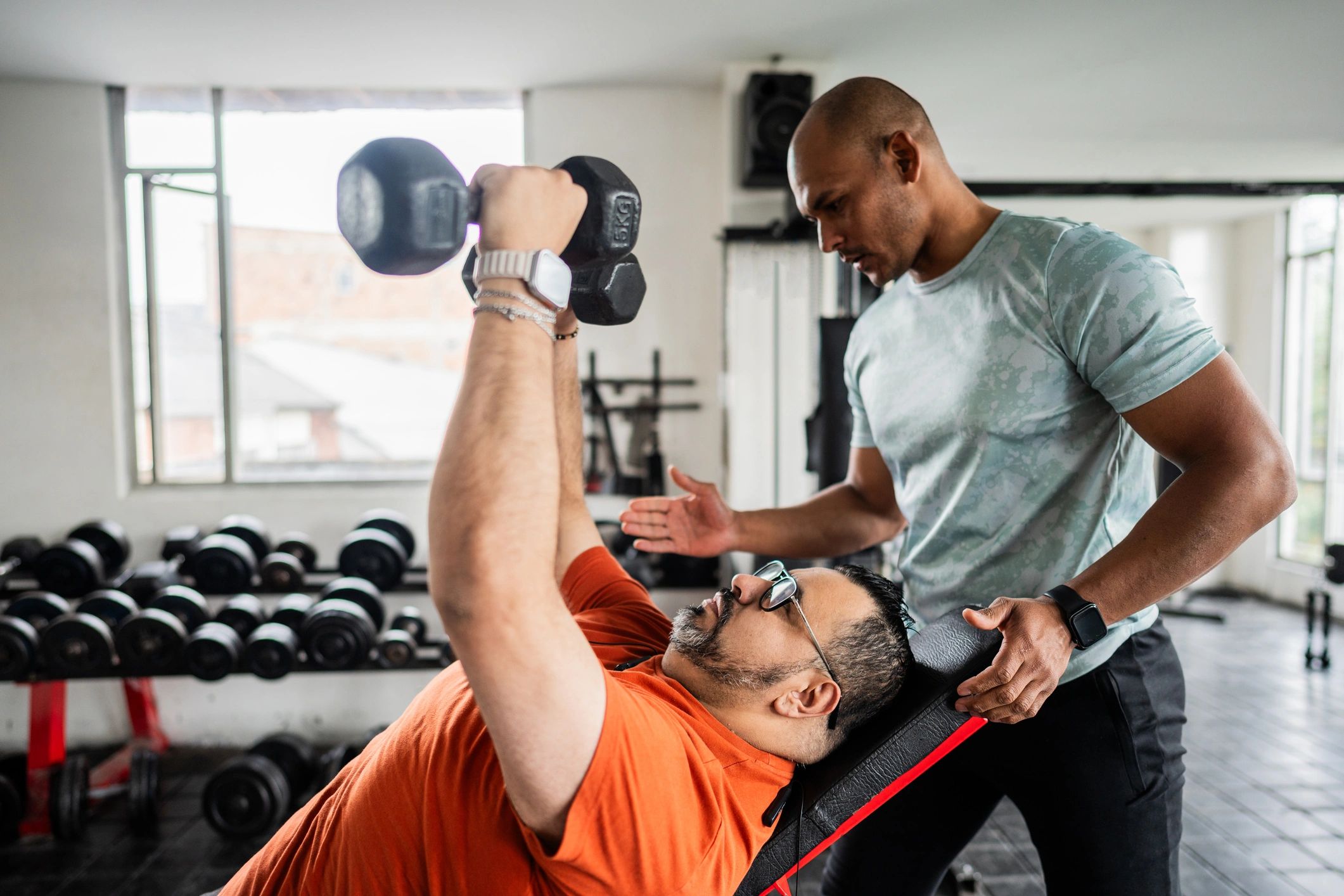
Ready for a simple plan?
Get a beginner-friendly strength roadmap built for you
Tell me your starting point, equipment, and goals—and I’ll help you choose the safest next step (program, form check, or 1:1 coaching).