
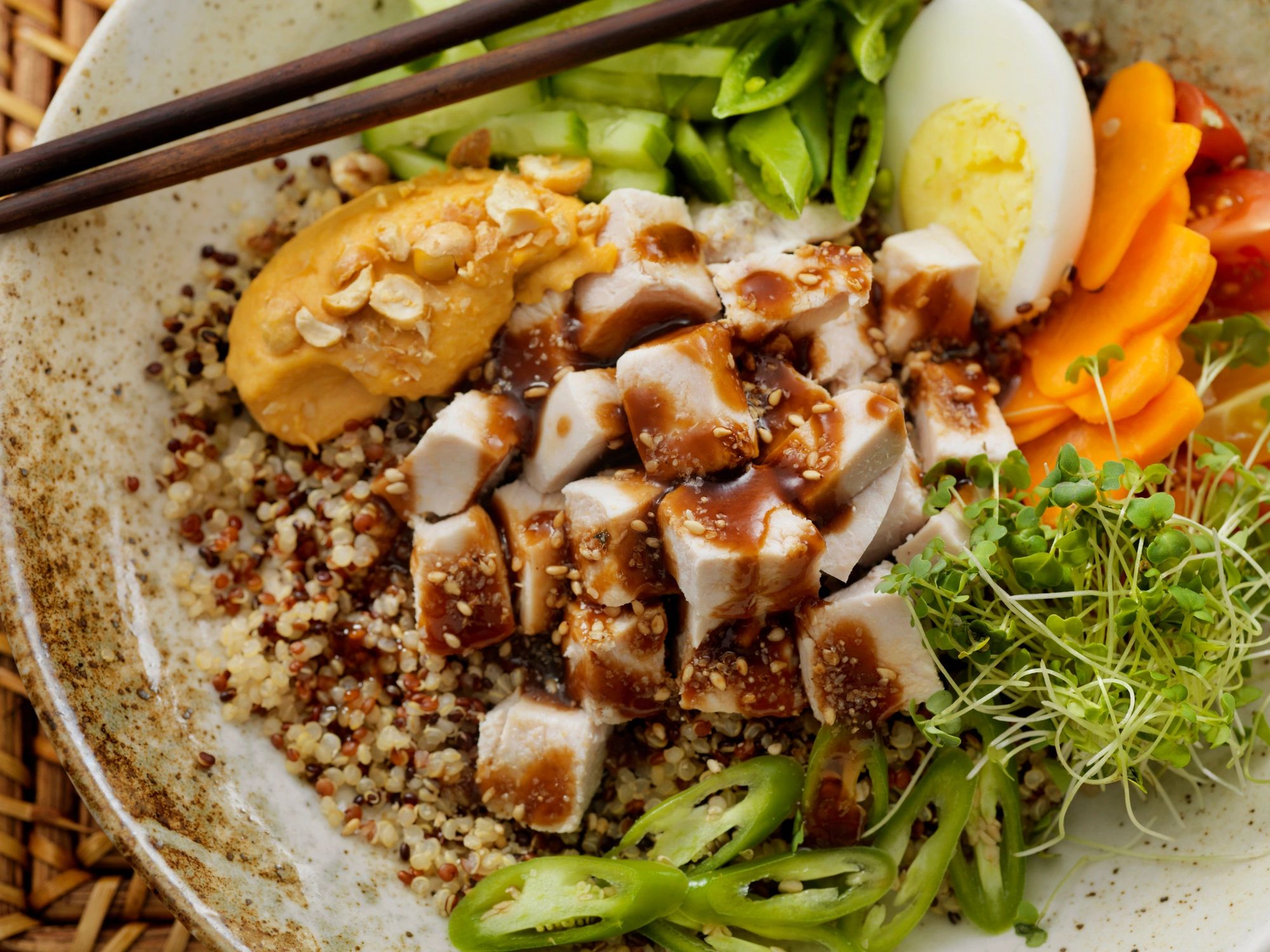
Nutrition for strength & longevity
Eat to feel strong in your 50s+ (without dieting drama)
Simple, protein-forward habits that support muscle, energy, and recovery—built for real life and beginner-friendly lifting.
The 50snew30 nutrition approach
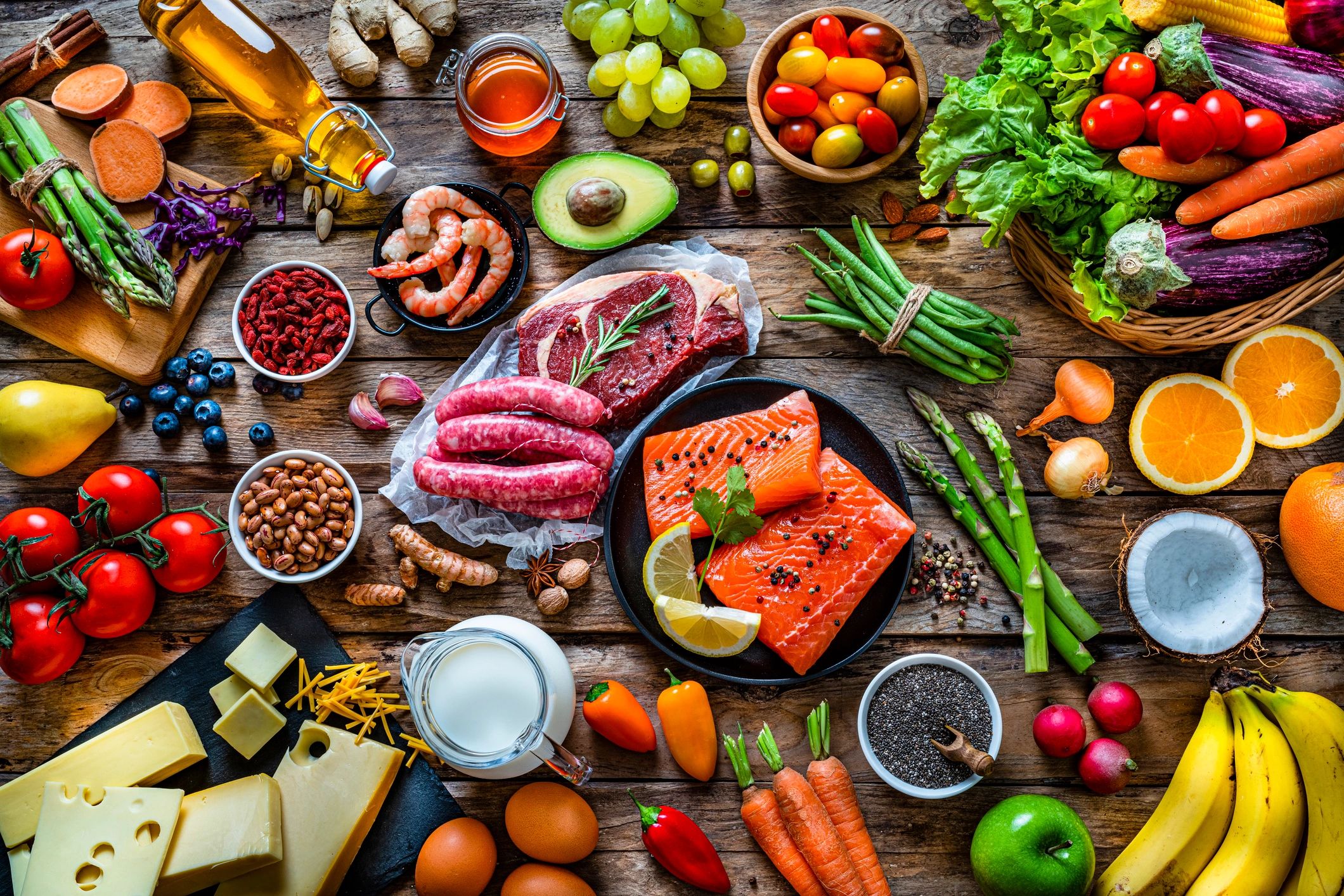
Prioritize protein (daily)
Aim for a protein source at each meal to support muscle building after 50 and keep you satisfied.
Build your plate (no tracking required)
Protein + colorful produce + smart carbs + healthy fats—balanced meals that fuel training and life.
Consistency beats perfection
Use simple routines you can repeat: a few go-to breakfasts, lunches, and dinners you actually enjoy.
Practical guides
What you’ll learn here
Protein made simple
How much you need, easy high-protein foods, and how to spread protein across the day.
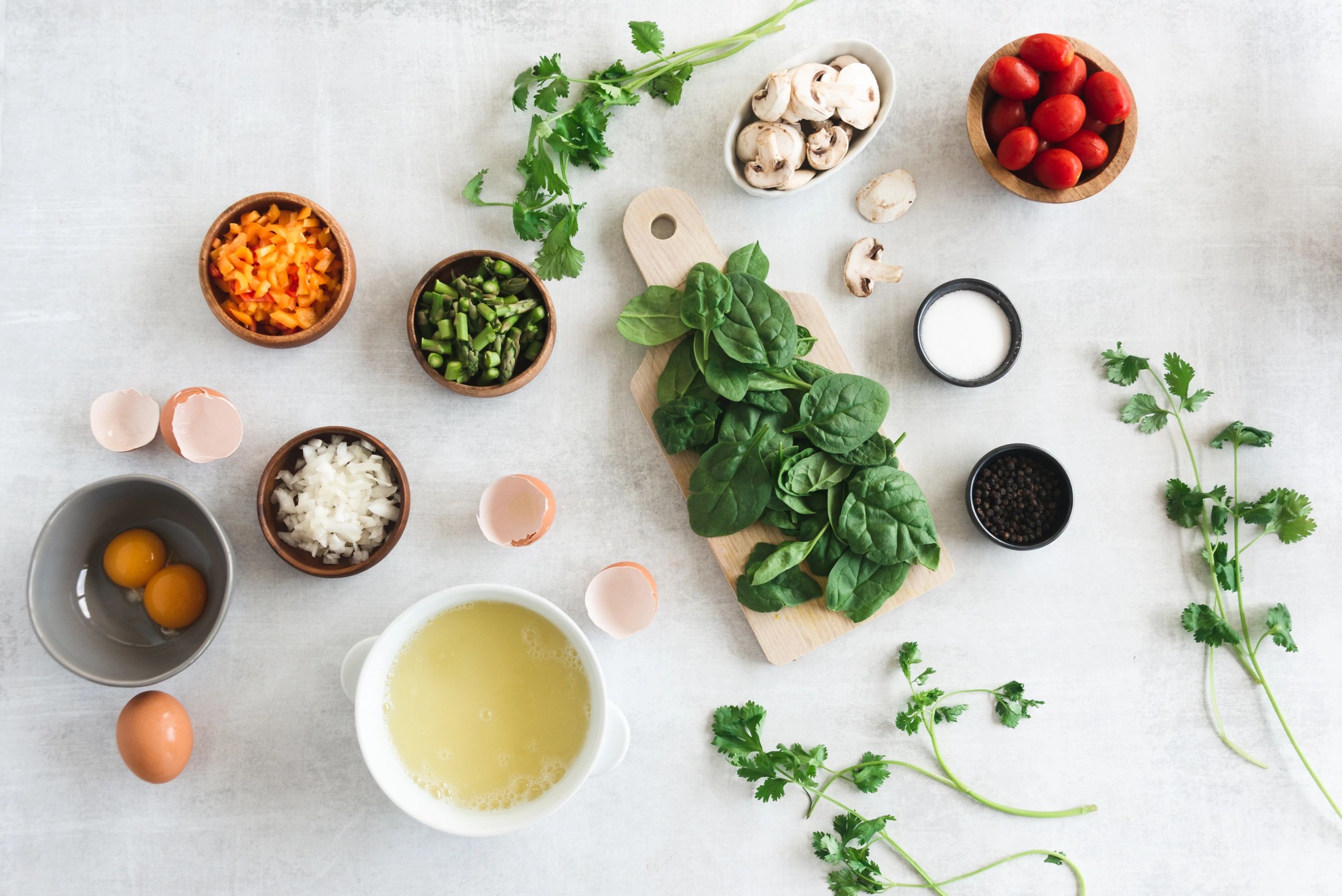
The “build-a-plate” method
A no-stress way to create meals that support strength training for seniors and healthy aging.

Recovery nutrition
Hydration, fiber, and timing basics to feel better, train better, and reduce soreness.
Supplements (what’s worth it)
A clear, safety-first look at common supplements—what helps, what’s optional, and what to skip.
Nutrition FAQs (50+ friendly)
General education only—not medical advice. If you have a condition or take medications, check with your clinician or a registered dietitian.
How much protein do I need after 50?
A helpful starting point is 25–35g per meal (or roughly 0.7–1.0g per pound of goal body weight depending on your needs). We’ll keep it practical and adjust based on appetite, training, and results.
Do I need to cut carbs to lose fat?
No. Carbs can support training performance and recovery. The goal is choosing portions that match your activity and prioritizing fiber-rich options most of the time.
What’s the easiest “starter” breakfast?
Pick one: Greek yogurt + berries, eggs + fruit, or a protein smoothie. Keep it repeatable—then build variety later.
What should I eat before lifting?
If you’re training within 1–2 hours, try a small combo like fruit + yogurt or toast + eggs. If you train fasted, focus on a solid protein-forward meal afterward.
Are supplements necessary?
Most progress comes from food, sleep, and training. If you want to keep it simple, consider basics like protein powder for convenience and creatine if it fits your health profile—always check compatibility with your clinician.
How do I stay consistent when life gets busy?
Use a short list of go-to meals, keep protein options stocked, and plan one “backup” meal for hectic days. Small wins add up fast.

Ready for a simple plan?
Get nutrition guidance that matches your lifting
Want a protein target, meal ideas, and a routine you can stick with? Reach out and tell me your goals—I’ll point you to the best next step (coaching, program, or resources).